Log 0147 Nov 2026
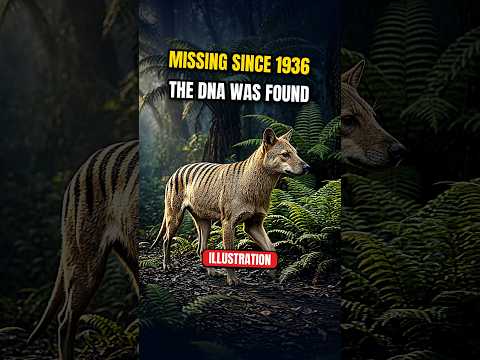
The forest walk is an original illustration and is synthetic. Museum mounts and the fat-tailed dunnart photographs are credited on YouTube. The 2036 date is a hope stated around the Melbourne and Colossal genome work, not an animal that has been born.
Watch Reel (opens in a new tab)
Log 0158 Nov 2026
A preparedness field log, not a generated landscape. The description credits archival photographs and says a Paris crowd picture and a later Manhattan skyline are file images. The outage timeline is the historical record after Hurricane Maria. The household steps are planning estimates from FEMA, Ready.gov, and the American Red Cross, not a forecast for one home.
Watch Reel (opens in a new tab)
Log 0136 Nov 2026
The night dig and the river animal are original illustrations, not 1965 footage. The body plan follows Lee and colleagues, Nature, 22 October 2014: a large ornithomimosaur, a broad toothless bill, tall neural spines, fish remains, and stomach stones. How the claws were used is a reading of the bones.
Watch Reel (opens in a new tab)
Log 0126 Nov 2026
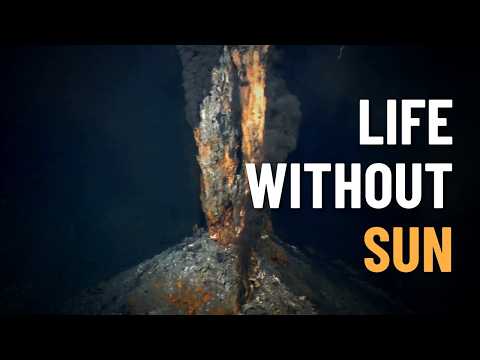
About eleven minutes. Footage and stills are credited to Ifremer, the National Oceanography Centre, NOAA, NASA, and others listed on YouTube. Vent biology is summarized from the published discovery record, including the 1977 Alvin dives. Europa and Enceladus are mentioned for similar rock-and-water chemistry, not as places where life has been found.
Watch Reel (opens in a new tab)
Log 0115 Nov 2026
Found in 1908, dated roughly 1850–1600 BC, and held at the Heraklion Archaeological Museum. The signs were stamped, not drawn. The opener is a move across a photograph of the disc. There is no agreed reading.
Watch Reel (opens in a new tab)
Log 0104 Nov 2026
A nature note on Leucochloridium paradoxum. Brood sacs move into the eyestalks, and infected snails are more often found in brighter places. This channel did not collect the observations.
Watch Reel (opens in a new tab)
Log 0093 Nov 2026
Hollow bronze objects with twelve faces, a round hole in each, and a knob at each corner. No Roman text or picture is known to name them. A complete example was found at Norton Disney, England, in 2023. The use is unproven.
Watch Reel (opens in a new tab)
Log 0082 Nov 2026
The extra push as it left is the observation. No tail was seen. Sunlight freeing trapped hydrogen is one proposal and is not proven. The object is now too faint for a new measurement.
Watch Reel (opens in a new tab)
Log 0071 Nov 2026
The migrating generation flies toward forests it has not visited. The sun compass and antennal clock are the settled part of the account. The last step, finding the same groves, is still open.
Watch Reel (opens in a new tab)
Log 00631 Oct 2026
A short behavioral note. Two stings change the cockroach’s escape response, and the wasp leads it into a burrow. The title on YouTube is more graphic than this note; the film is the source.
Watch Reel (opens in a new tab)
Log 00531 Oct 2026
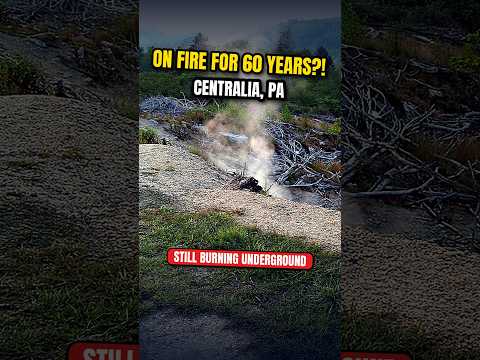
The mine fire dates from May 1962. A newspaper-style card in the film is a text illustration, not a real front page. The fire diagram is simplified.
Watch Reel (opens in a new tab)
Log 00430 Oct 2026
Cold hydrogen clouds and a possible magnetar flare are offered as a natural maser. The film says the idea is not settled. Watch part 1 first if you want the 1977 record on its own.
Watch Reel (opens in a new tab)
Log 00330 Oct 2026
The 72-second Big Ear detection of 15 August 1977, near the hydrogen line, from the direction of Sagittarius. Later pointings did not recover it. This part stops at that record.
Watch Reel (opens in a new tab)
Log 00229 Oct 2026
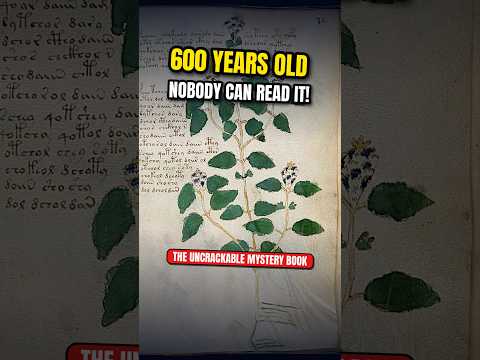
Parchment tests place the pages in the early fifteenth century, and the script is still unread. Pattern in the words is not the same thing as a translation. Claims that the plants cannot be Earth plants are stronger than the evidence this film can settle.
Watch Reel (opens in a new tab)
Log 00129 Oct 2026
The film’s leading account is a slab of hard snow set loose by the cut of the campsite. Faint radiation on two pieces of clothing is tied to thorium mantles in camp lanterns. This note does not describe injuries. The uploads feed used here begins with this part; an earlier part may sit outside those fifteen entries.
Watch Reel (opens in a new tab)


 0:46
Watch reel: Scientists Have This Animal's DNA and Are Trying to Bring It Back (opens in a new tab)